Mentoring the margins
We long to see boys become good men
We coach young people in High Schools across Norfolk through the shifts of boyhood. We believe that if every priority student in Norfolk received intentional mentoring we would see the transformation of our society; we all need a guide - especially when it comes to adolescence.
We believe mentoring is the most significant vehicle to address misogyny, social isolation and the confusion facing young boys today.
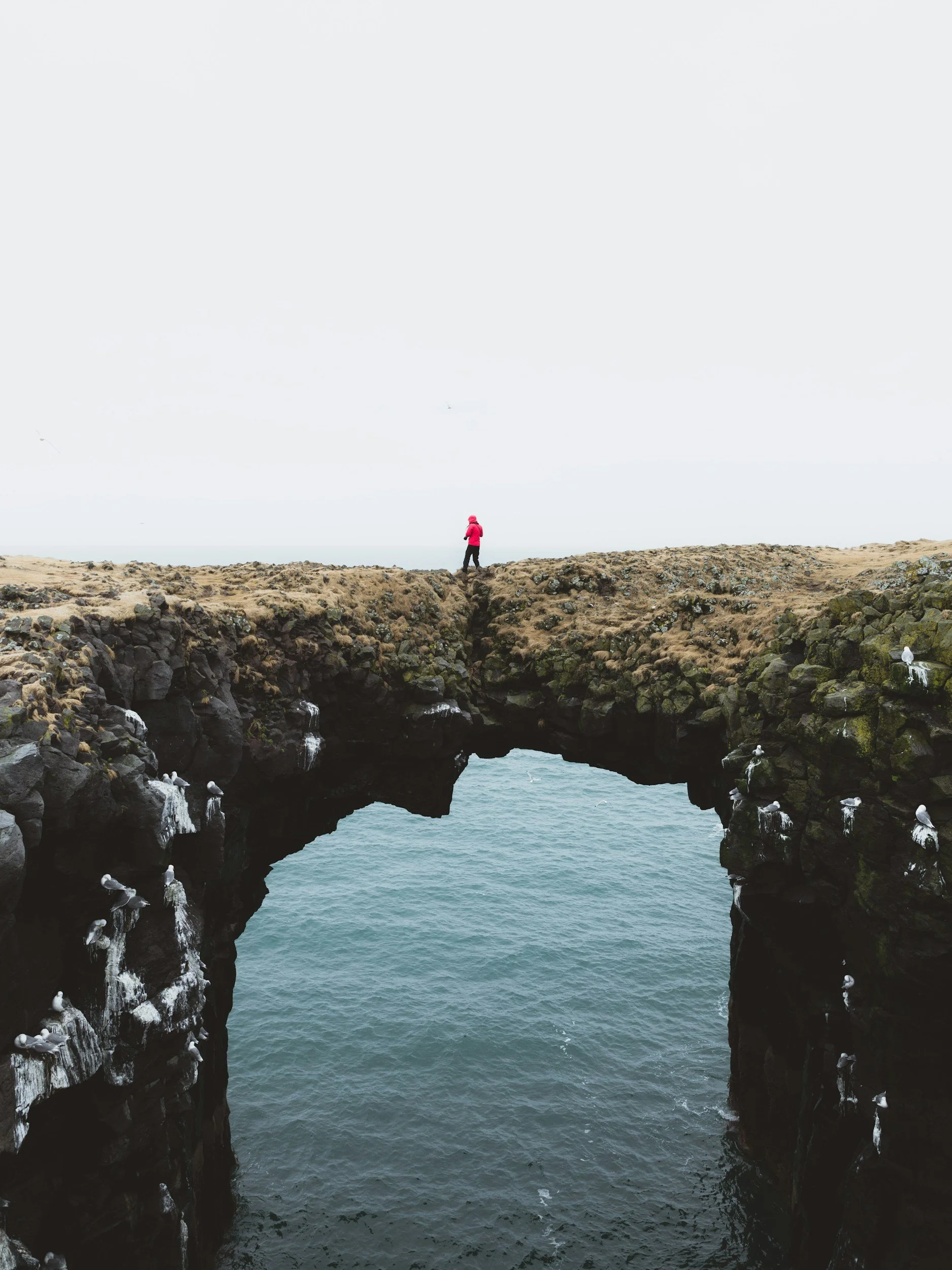
In Norfolk, challenges facing young people are amplified by rural and coastal isolation, limited youth provision, and higher than average social, emotional, and mental health needs. Suicide remains the leading cause of death among boys and young men.
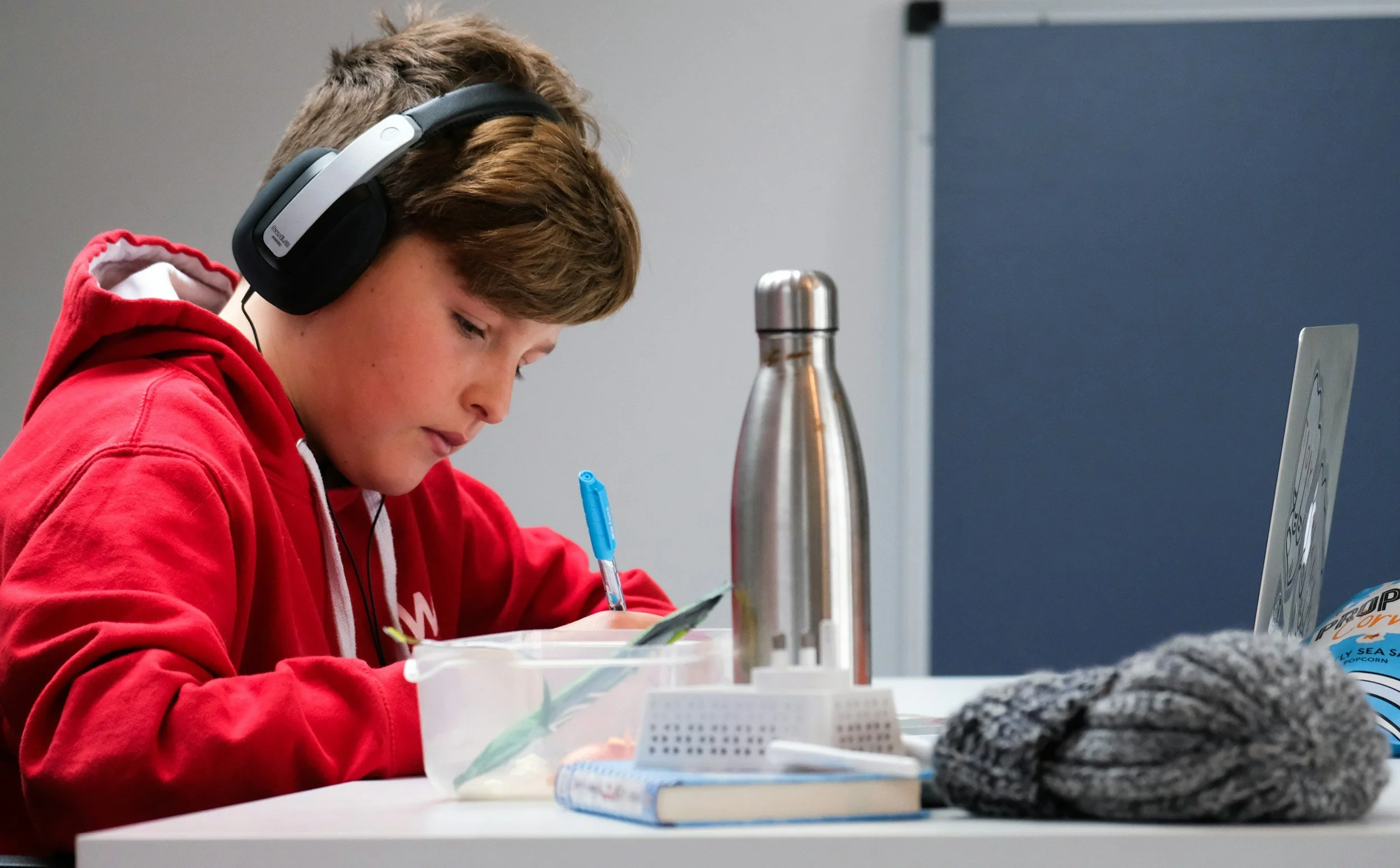
We provide 1:1 mentoring to pupils in school, as well staff training and talks on tackling misogyny and engaging with masculinity.
01
1:1 Priority Mentoring
02
CPD Staff Training
03
Keynote talks and Discussions
What we’re seeing in schools
Our culture is broken and our society is fractured. Young boys are lost to a legion of distractions and temptations and are left in confusion. Other voices are calling them into distorted worlds of shame, misogyny and self-initiation into a false masculinity.
The COVID-19 pandemic further disrupted social development, reducing confidence in communication and emotional expression.
Behaviour inconsistencies, misogyny and social isolation in schools are the fruits of hidden wounds and beliefs that young people carry - picked up from pressure, distorted online narratives and exposure to harmful content. Excessive screen use, cyberbullying, and risky digital behaviours are closely linked to anxiety, disengagement from school, and poor mental health.
We also see the fruit of hard work and engagement - boys finishing school. Behaviour improving. Friendships reconciling. Parents connecting and young people discovering their identity and calling. We’re imparting vision, hope and values to boys becoming men.
Sign up to our newsletter to hear what we’re learning about how young people see the world